
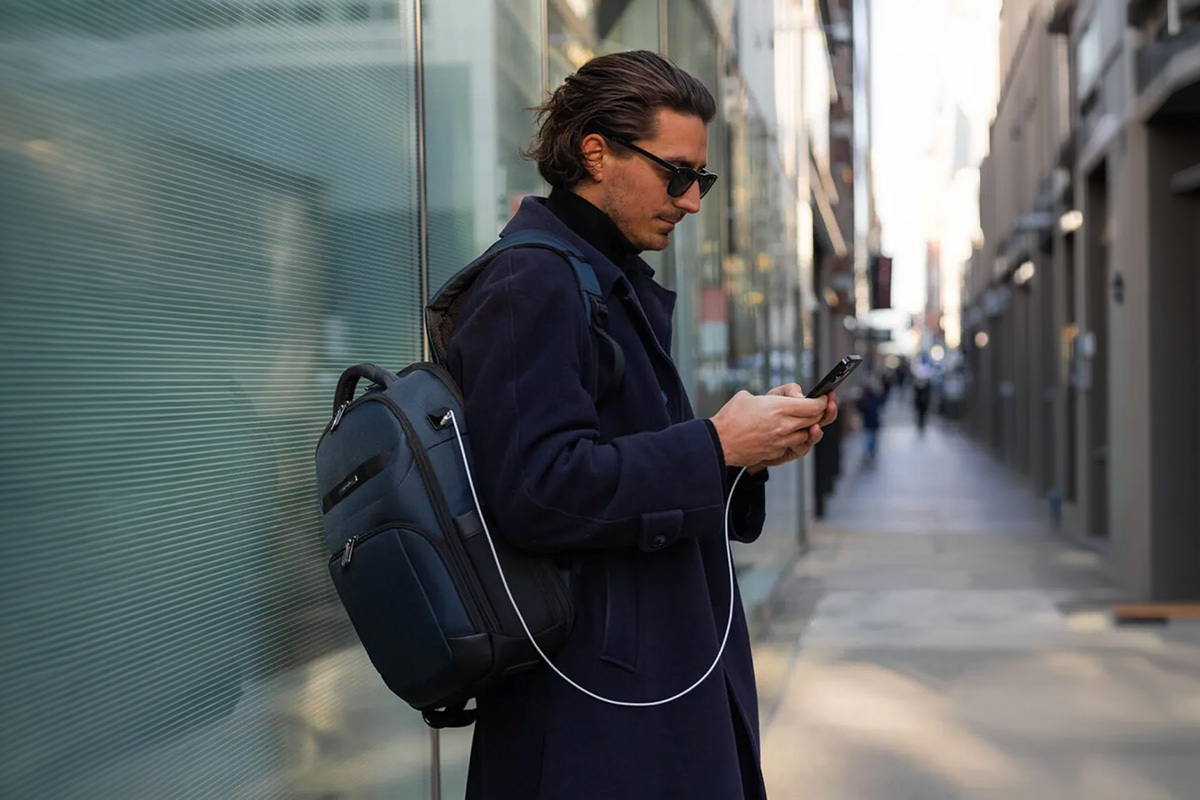
Most people replace their backpacks every year or two. Not because they want to, but because zippers fail, straps tear, or fabrics develop holes. The problem isn’t just inconvenient; it’s expensive and frustrating when you’re mid-commute or halfway through a trip.
Understanding what separates a backpack that lasts a decade from one that only just survives a season comes down to materials, construction, and knowing which features actually matter for your specific needs.
Key Takeaways:
- Ballistic nylon and Cordura are among the most durable backpack materials available
- Water-resistant coatings differ from fully waterproof fabrics; knowing the difference protects your gear
- Quality zippers, reinforced stitching, and proper weight distribution determine long-term durability
- Laptop backpacks require specialised padding and compartments for device protection
What Makes Backpack Materials Durable?
Material choice defines how well your backpack withstands daily use. The fabric determines everything from scratch resistance to how long the bag maintains its shape under heavy loads.
Ballistic nylon stands out as one of the strongest options. Originally developed for military flak jackets, this tightly woven fabric resists tears and abrasions better than standard nylon. You’ll often find it in premium bags designed for frequent travellers and professionals who need reliable protection.
Cordura represents another top-tier choice. This branded fabric uses air-jet textured nylon yarns that create exceptional strength while remaining surprisingly lightweight. Many high-quality backpacks combine Cordura with other materials to balance durability with comfort.
For the environmentally conscious traveller, Samsonite features 100% R-PET Polyester, a revolutionary material that matches the strength and reliability of traditional polyester while directly reducing global plastic waste by giving discarded plastic bottles a new, durable life in your backpack.
WHAT iS CORDURA?
Cordura is a registered trademark for high-performance synthetic fabrics known for exceptional resistance to abrasion, tears, and scuffs. True Cordura fabrics use air-jet textured nylon or polyester yarns, with nylon 6,6 being the most common base material due to its superior toughness. The dense, high-tenacity weave creates a fabric that significantly outlasts standard nylon, polyester, or cotton duck materials while maintaining an impressive lightweight-to-strength ratio.
You’ll find Cordura in products requiring extreme durability, from military uniforms and tactical gear to motorcycle jackets and outdoor equipment. The fabric comes in various weights indicated by denier ratings like 500D or 1000D, with higher numbers meaning thicker, sturdier construction. While not inherently waterproof, Cordura can be treated or coated for water resistance, making it adaptable to different use cases from everyday backpacks to specialised adventure gear.
WHAT IS R-PET POLYESTER?
R-PET stands for Recycled Polyethylene Terephthalate, which is the chemical name for the plastic commonly used in beverage bottles and food containers. In the textile industry, R-PET is created through a rigorous process where post-consumer plastic waste is collected, cleaned, shredded, melted, and then spun into high-tenacity polyester fibres.
This process allows manufacturers to produce a durable and resilient fabric that is chemically and physically comparable to virgin polyester, but with a drastically lower environmental footprint. By using 100% R-PET in quality backpacks, this product directly contributes to the circular economy by reducing the reliance on petroleum-based virgin materials, conserving energy, and keeping waste out of oceans and landfills.
Does 100% Nylon Mean Waterproof?
Nylon itself is not waterproof, though it does offer some natural water resistance. The confusion stems from how manufacturers treat and construct nylon fabrics for backpacks.
Pure nylon fabric will eventually allow water to seep through, especially under sustained exposure or pressure. However, most backpacks labelled as water-resistant feature nylon treated with polyurethane (PU) or durable water repellent (DWR) coatings. These treatments cause water to bead up and roll off the surface rather than soaking in.
The weave density also matters. Tightly woven nylon with a high denier count provides better natural moisture protection than loosely woven alternatives. Adding coatings to dense nylon creates highly water-resistant bags suitable for most conditions.
Understanding Waterproof vs Water-Resistant Fabrics
Shoppers often confuse water-resistant with waterproof, but the distinction matters for protecting your belongings. True waterproof materials prevent any water penetration, while water-resistant fabrics slow moisture absorption.
Fabrics like TPU-laminated nylon and vinyl-coated polyester achieve complete waterproofing. These materials bond a waterproof layer directly to the base fabric, creating an impermeable barrier. You’ll typically find them in specialised outdoor backpacks and bags designed for extreme weather.
Water-resistant backpacks work well for everyday use. They handle light rain and brief exposure without issue. For extended outdoor activities or for protecting sensitive electronics during heavy downpours, a genuinely waterproof construction is necessary.
Which Fabric Is 100% Waterproof?
Several materials offer complete waterproof protection. TPU (thermoplastic polyurethane) laminate provides flexible, lightweight waterproofing that doesn’t crack or peel over time.
Vinyl-coated fabrics and PVC materials also deliver total water protection. These create an impenetrable barrier but often feel heavier and less breathable than TPU options. Marine-grade fabrics use similar technology, making them popular for bags exposed to harsh conditions.
Rubberised fabrics represent traditional waterproofing. While effective, they tend to be stiffer and less comfortable for everyday carry. Modern alternatives, such as polyurethane-laminated ripstop nylon, combine waterproofing with flexibility and lightness.
Does 100% Polyester Mean Waterproof?
Polyester alone is not waterproof, similar to nylon. Untreated polyester allows water to eventually penetrate the fabric, though it dries faster than many natural fibres.
Manufacturers enhance polyester’s water resistance through various treatments. PU coatings, silicone finishes, and laminated layers transform basic polyester into effective weather protection. The coating thickness and application method determine the final water resistance level.
High-quality polyester backpacks often feature ripstop weaves. This construction method reinforces the fabric with thicker threads in a crosshatch pattern, preventing tears from spreading while improving overall water resistance when combined with appropriate coatings.
How Do I Know If a Backpack Is Durable?
Assessing backpack quality requires examining several construction elements. The material is just one factor; how manufacturers assemble these materials determines longevity.
- Check the zippers first. YKK zippers, particularly the higher-numbered series, indicate quality construction. Zippers face constant stress, so reinforced zipper tracks with bartack stitching at stress points suggest the manufacturer prioritised durability. Test the zippers multiple times; they should glide smoothly without catching or feeling loose.
- nspect the stitching throughout the bag. Double or triple stitching at stress points like shoulder strap attachments demonstrates proper reinforcement. Uneven stitching, loose threads, or inconsistent stitch spacing signal potential weak points that will fail under regular use.
- Examine the bottom panel and corners. These areas endure the most abrasion when you set the bag down. Reinforced bases with extra padding or protective materials indicate thoughtful design. Some quality bags include plastic feet or rubberised corners that protect against ground contact.
Read more: Ready, Set, Roam: Digital Nomads Grab Your Backpacks
What Are Travel Backpacks Made From?
Travel backpacks combine multiple materials to balance comfort, protection, and weight. Understanding these combinations helps you select bags suited to your specific needs.
The main body typically uses nylon or polyester in 600D to 1680D weights. Higher denier numbers indicate thicker, more durable fibres. Travel-specific backpacks often feature mixed-denier construction, using heavier materials on high-wear areas and lighter fabrics elsewhere to reduce overall weight.
Interior linings matter more than many realise. Quality travel bags include smooth nylon or polyester linings that protect contents and make items easier to locate. Some premium options add antimicrobial treatments to resist odours during extended trips.
Frame sheets and padding use foam or plastic stiffeners. These hidden components maintain the bag’s shape and distribute weight across your back. Better backpacks incorporate ventilated back panels with moisture-wicking mesh to improve comfort during long carries.
Choosing Quality Laptop Backpacks
Laptop backpacks demand specialised construction beyond standard bags. Your devices represent significant investments that require proper protection during transport.
Dedicated laptop compartments should include thick padding on all sides, not just the back panel. Quality designs suspend the laptop away from the bag’s exterior, providing impact protection if you drop or bump the pack. The compartment should fit your device snugly without excess room for shifting.
Consider organisational features that protect accessories. Separate padded sections for tablets, dedicated pockets for chargers and cables, and quick-access compartments for frequently used items demonstrate thoughtful design. These features prevent items from scratching each other during transport.
Check weight distribution. Laptop backpacks should position the computer compartment closest to your back for optimal balance. Padded, adjustable shoulder straps and chest or waist straps help distribute the load, reducing strain during extended wear.
Read more: The Functional Divide Between Laptop Backpacks and Regular Backpacks
Material Comparison for Backpacks
| Material | Durability Rating | Water Resistance | Weight | Best Use |
| Ballistic Nylon | Excellent | Good (with coating) | Medium | Daily commuting, professional use |
| Cordura | Excellent | Good (with coating) | Light to Medium | Travel, outdoor activities |
| Polyester | Good | Moderate | Light | Casual use, day trips |
| Canvas | Moderate | Poor (untreated) | Heavy | Fashion, light duty |
| TPU-Laminated | Very Good | Excellent | Medium | Weather protection, outdoor use |
Maintaining Your Backpack’s Durability
Proper care extends any backpack’s lifespan regardless of material quality. Regular maintenance prevents minor issues from becoming major failures.
Clean your bag regularly, but appropriately for its material. Most synthetic backpacks can be spot cleaned with mild soap and water. Avoid harsh detergents that break down waterproof coatings. Let bags air dry completely before storage to prevent mildew and material degradation.
Reapply DWR treatments periodically. Water-resistant coatings wear off over time through use and cleaning. Spray-on or wash-in treatments restore water-beading properties, maintaining protection between major replacements. Apply these products annually or when you notice water no longer beads on the surface.
Store bags properly when not in use. Stuff backpacks loosely to maintain shape rather than folding them into tight spaces. Keep them in cool, dry locations away from direct sunlight, which degrades synthetic materials over time. Proper storage prevents unnecessary stress on straps and prevents mould growth.
Finding Your Perfect Pack
Selecting the right backpack balances material quality, construction standards, and your specific needs. Understanding what makes bags durable helps you invest in options that serve you well for years.
Assess how you’ll actually use the bag. Daily commuters need different features than weekend adventurers. Professionals carrying electronics require specialised padding and organisation that outdoor enthusiasts might not prioritise. Match the backpack’s strengths to your primary use case rather than choosing based on generic “best” claims.
Quality matters more than price alone. While premium bags cost more upfront, superior materials and construction deliver better value over time. Replacing cheap backpacks annually costs more than investing in quality once. Look for brands with strong warranties; they indicate manufacturer confidence in their products’ longevity.
Explore quality backpack options that balance durability with style and functionality. The right bag protects your belongings as you handle whatever your day brings.
Samsonite brings decades of expertise to backpack design, combining advanced materials with proven construction techniques. Whether you need a reliable daily commuter or a specialised laptop carrier, investing in quality engineering means your backpack serves you faithfully through countless journeys ahead.


